Mobile and office access matters
Staff need email, files, cloud tools, and communication systems across office, warehouse, and road workflows.
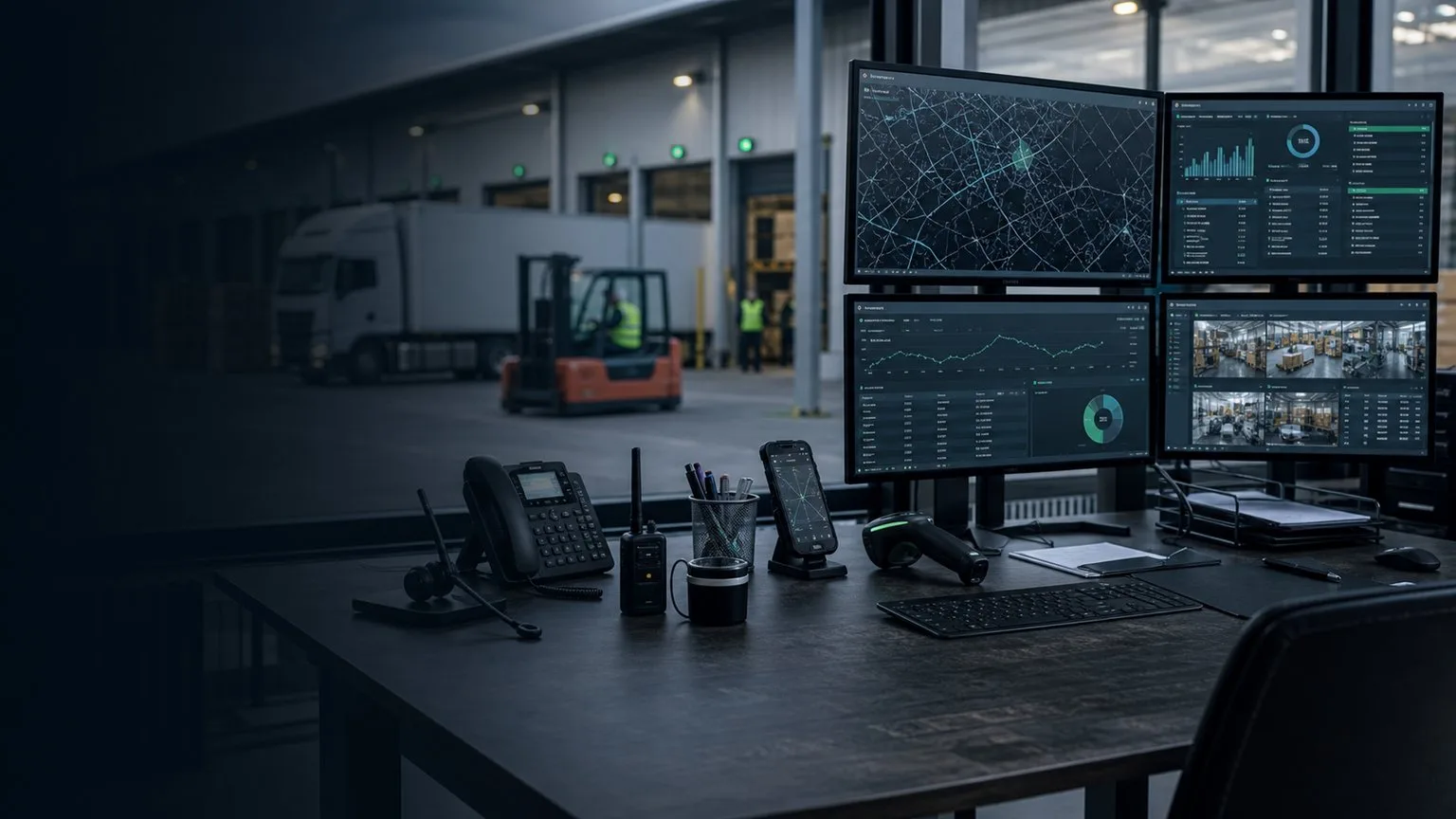
Logistics IT
Mobile teams, dispatch-adjacent systems, shared information, and vendor contacts need reliable access. OnlineV can review business IT, security, cloud collaboration, recovery, and practical automation or AI opportunities within agreed scope.
Industry situations
Staff need email, files, cloud tools, and communication systems across office, warehouse, and road workflows.
Dispatch, fleet, warehouse, and tracking systems often require vendor-specific help plus clear business IT support.
Users, drivers, devices, remote access, MFA, and permissions should be handled consistently.
Coverage and boundaries
Practical improvements
Illustrative opportunities—not client results. Start with internal summaries, documentation, and repeat coordination work. Keep customer, route, driver, and business information in approved tools.
OnlineV helps teams assess internal workflow opportunities while keeping operational decisions, data boundaries, and human review clear. Keep sensitive information in approved tools and arrangements only, with human review. Simpler automation or process cleanup may be preferable to AI.
AI Readiness & TrainingHow a review starts
Review Microsoft 365, mobile devices, remote access, users, and permissions.
Discuss priority and timing: Document dispatch, fleet, warehouse, tracking, and vendor coordination points.
Confirm backup, MFA, endpoint protection, and offboarding expectations. Agree deliverables, vendor handoffs, coverage, and follow-up before work starts.
Choose a support path
Defined help with everyday user, device, and access issues.
Explore serviceAdministration, document access, sharing, and collaboration support.
Explore servicePlan priorities, responsibilities, communication, and workarounds during disruption.
Explore serviceScope depends on your users, systems, vendors, coverage, and priorities. Projects and licensing are quoted separately.
View PricingServices OverviewCommon questions
Yes. OnlineV can help with business IT such as Microsoft 365, email, devices, remote access, backups, cybersecurity basics, and vendor coordination.
OnlineV can support the surrounding business IT environment and coordinate with dispatch, fleet, warehouse, or tracking software vendors where specialist help is needed.
Dispatch, fleet, vehicle, routing, and operational safety decisions remain with your team and specialist vendors.
Review covered users, devices, systems, support hours, vendor handoffs, and responsibilities before work starts. Projects, hardware, licensing, and subscriptions are priced according to the proposal; specialist application work stays with the appropriate vendor.
Mobile teams, dispatch-adjacent systems, shared information, and vendor contacts need reliable access. Bring the current issue, affected systems, existing vendor contacts, and any access or recovery concerns.
Start with a free 15-minute conversation about the current issue, systems, and work your team needs to keep moving.