Store devices, Wi-Fi, email, cloud files, and vendor tools need clear support ownership.
Address the issue before it becomes a larger interruption for the people, information, and systems the team depends on.
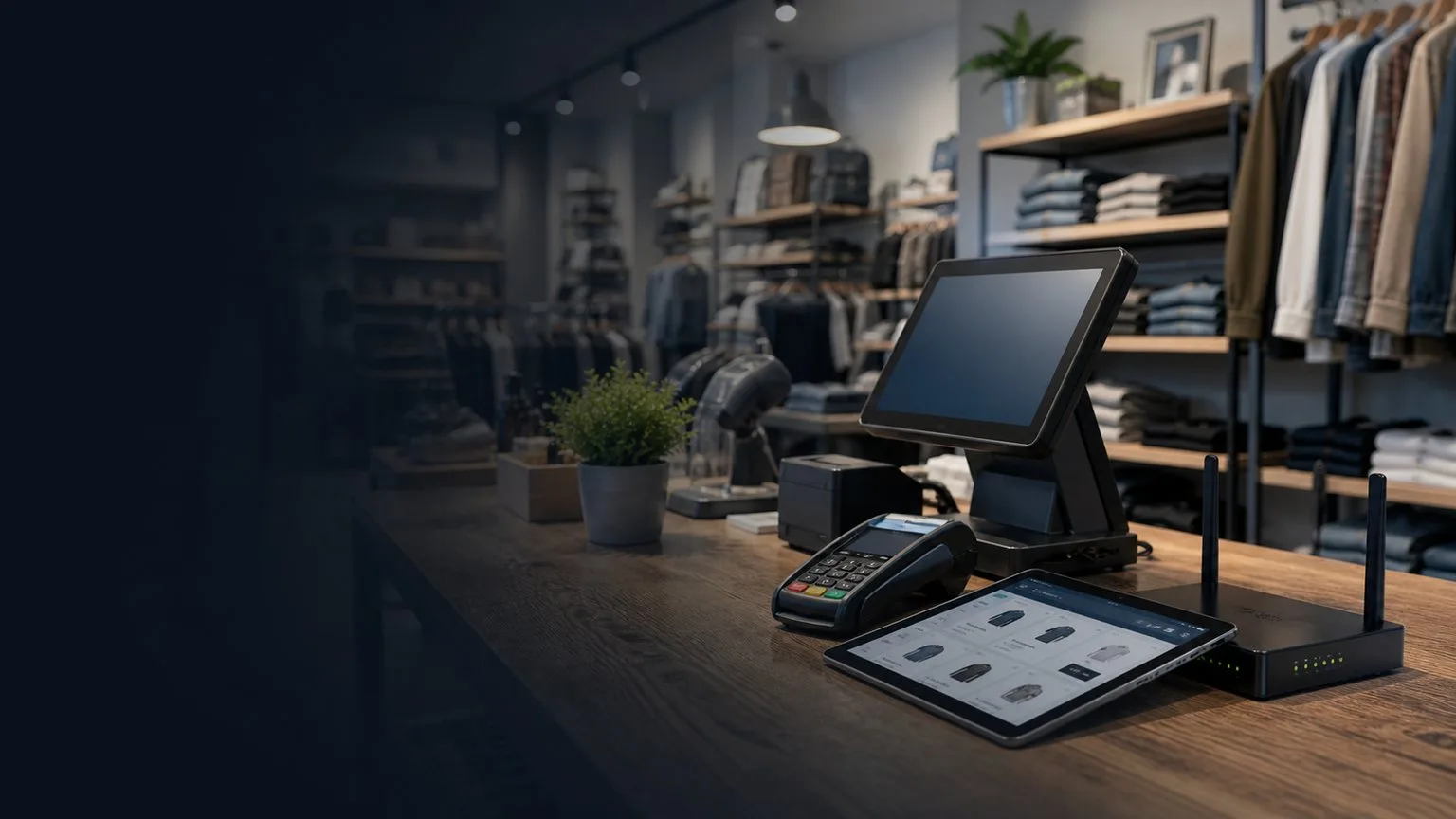
IT Support for Retail Businesses
Managed IT support for retail businesses. OnlineV helps retail teams keep store devices, Wi-Fi, Microsoft 365, email, accounts, backups, security basics, and business IT support dependable across locations.
Retail Technology Risks
Store devices, shared accounts, Wi-Fi, vendor systems, staff turnover, and service-time issues require clear support ownership before they affect customers or operations.
Address the issue before it becomes a larger interruption for the people, information, and systems the team depends on.
Address the issue before it becomes a larger interruption for the people, information, and systems the team depends on.
Address the issue before it becomes a larger interruption for the people, information, and systems the team depends on.
Define who handles users, devices, cloud access, recovery, and specialist-vendor handoffs before a routine issue becomes a costly delay.
What OnlineV Manages
Support is organized around the people, information, systems, and vendor relationships the team depends on every day.
Store device and user support
Managed IT ServicesWi-Fi and network troubleshooting
CybersecurityMicrosoft 365 and email support
Microsoft 365 SupportPOS and payment vendor coordination
Backup and RecoveryHow A Review Works
The review is designed to produce useful priorities before any larger service commitment is discussed.
Look at users, devices, cloud access, Microsoft 365, shared files, backups, recurring issues, vendors, and current support ownership.
Separate immediate access, reliability, and recovery concerns from improvements that can be planned around the team’s work.
Document immediate fixes, ongoing support, vendor contacts, recovery expectations, and optional workflow improvements without forcing a bundle.
OnlineV separates immediate fixes, recurring support, vendor responsibilities, and optional improvements. Recommendations stay tied to confirmed needs rather than inflated claims or a forced tool bundle.
Responsible AI
OnlineV helps retail teams assess practical internal workflows while keeping customer information, approvals, and ownership clear.
Scope boundary: OnlineV can support the surrounding business technology, access, devices, cloud systems, backups, and vendor coordination. Industry-specific legal, privacy, clinical, financial, insurance, regulatory, or operational requirements should be confirmed with the appropriate qualified adviser or specialist vendor.
FAQ
Clear answers about support ownership, access, recovery, vendor coordination, and how to begin.
Yes. OnlineV can help with business IT such as devices, Wi-Fi, email, Microsoft 365, backups, cybersecurity basics, and vendor coordination.
OnlineV can coordinate with POS and payment vendors and support the surrounding network, devices, accounts, and business IT environment.
Yes, depending on scope. OnlineV can help review users, devices, Wi-Fi, vendor handoffs, cloud access, backups, and support expectations across locations.
Yes. Many industry-specific IT conversations should start with a focused review before committing to a larger support plan.
Yes. OnlineV can support the surrounding business IT environment and coordinate with vendors where specialized software needs vendor-specific help.
Cost depends on users, devices, cloud tools, support expectations, security needs, backups, and whether the work is ongoing support or a focused project.
Yes. Many industry teams need support across office, home, mobile, and remote work. The first step is understanding access, devices, and cloud tools.
The first review usually covers users, devices, Microsoft 365, access, backups, security basics, support history, and the business workflows that cannot afford disruption.
Start With A Focused Review
Tell OnlineV what is unreliable, unclear, or slowing the team down. The first conversation helps identify the most sensible next step for support, access, security, cloud files, backups, vendor coordination, or responsible AI use.